What are the arguments against US Offshore Wind?
There are several arguments made by critics of offshore wind energy that suggest it is a scam that primarily benefits Europeans and is not a good investment for the US. These arguments include: It is important to note that while there are arguments against offshore wind energy, there are also many arguments in favor of […]
What is the Jones Act? The Basics Explained
What is the Jones Act? The Jones Act is a federal law that regulates maritime commerce in the United States. It requires that all vessels that transport goods between two U.S. ports be built, owned, and operated by U.S. citizens, and that they be registered in the United States. The act also requires that all […]
A Quick Guide to Coastwise and Foreign Points on the Outer Continental Shelf.
Is it necessary to clear customs before going offshore? The US Customs regulations for offshore activities center around the distinction between foreign and coastwise points on the Outer Continental Shelf (OCS). Coastwise points include: Foreign points on the OCS are: Determining whether your vessel or aircraft is going to a foreign or coastwise point on […]
What is the Outer Continental Shelf (OCS)
The Outer Continental Shelf (OCS) of the United States is a vast expanse of ocean floor that contains an abundance of natural resources, including oil and gas reserves, minerals, and renewable energy sources. The OCS has played a significant role in the economic development of the United States, but concerns about the potential environmental impact […]
What is a Certificate of Financial Responsibility?
A Certificate of Financial Responsibility (COFR) is a document issued by the United States Coast Guard (USCG) that verifies that a vessel owner or operator has adequate financial resources to respond to a worst-case oil spill scenario and pay for the associated costs of cleanup and removal. To obtain a COFR, vessel owners or operators […]
B1 OCS visas and the Outer Continental Shelf
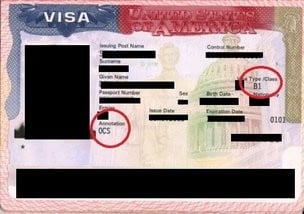
The Outer Continental Shelf (OCS) is a critical area for natural resource production. It’s divided into four regions: Gulf of Mexico, Atlantic, Pacific, and Alaska, and thousands of maritime workers are employed there. The Outer Continental Shelf Lands Act (OCSLA) gives the US Coast Guard authority to enforce regulations on OCS structures, which must […]
All about international carrier bonds
An international carrier bond is a type of insurance that vessel operators obtain in order to protect against the risk of financial loss due to damages caused by their cargo during transport. It is important for vessel operators to obtain an international carrier bond because it provides assurance that any losses they may experience due […]
What you need to know about Salvage and Marine Firefighting contractors
A salvage and marine firefighting contractor (SMFF) is a company that specializes in providing services related to the recovery and protection of vessels, cargo, and the marine environment in the event of a maritime accident or incident. These services include: Salvage and marine firefighting contractors typically provide these services to commercial vessel owners and operators, […]
Non-Tank Vessel Response Plans
A Non-Tank Vessel Response Plan (NTVRP) is a response plan that is required by the U.S. Coast Guard (USCG) for certain types of vessels that do not carry oil as cargo or fuel, but still have the potential to cause oil spills. The NTVRP outlines the procedures and resources that the vessel owner or operator […]
Working US Waters? These are the USCG requirements you must meet
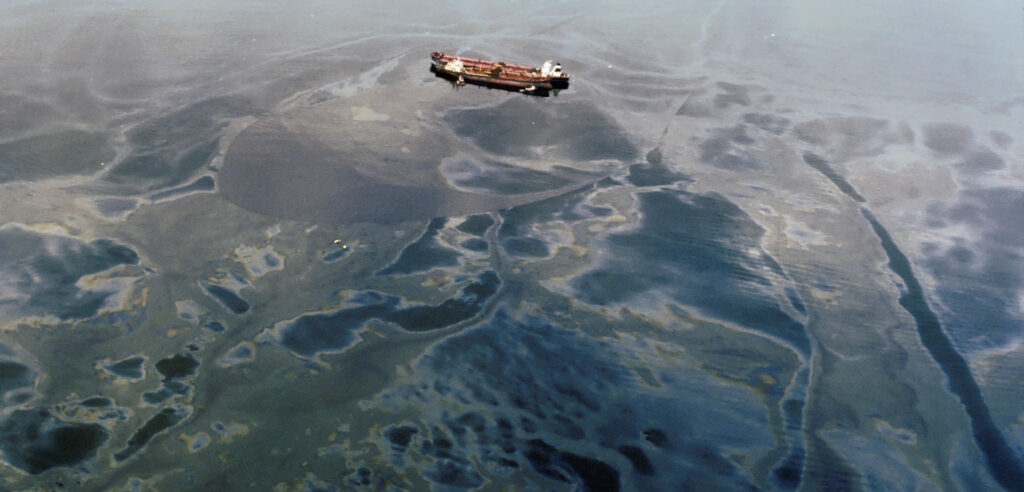
The Oil Pollution Act of 1990 (OPA 90) requires strict liability for oil spills in the United States. The law was enacted after the 1989 Exxon Valdez spill in Alaska. It holds vessel owners responsible for spills caused by their vessels, regardless of fault, and establishes the Oil Spill Liability Trust Fund to pay for […]