What you need to know about Salvage and Marine Firefighting contractors
A salvage and marine firefighting contractor (SMFF) is a company that specializes in providing services related to the recovery and protection of vessels, cargo, and the marine environment in the event of a maritime accident or incident. These services include: Salvage and marine firefighting contractors typically provide these services to commercial vessel owners and operators, […]
Non-Tank Vessel Response Plans
A Non-Tank Vessel Response Plan (NTVRP) is a response plan that is required by the U.S. Coast Guard (USCG) for certain types of vessels that do not carry oil as cargo or fuel, but still have the potential to cause oil spills. The NTVRP outlines the procedures and resources that the vessel owner or operator […]
Working US Waters? These are the USCG requirements you must meet
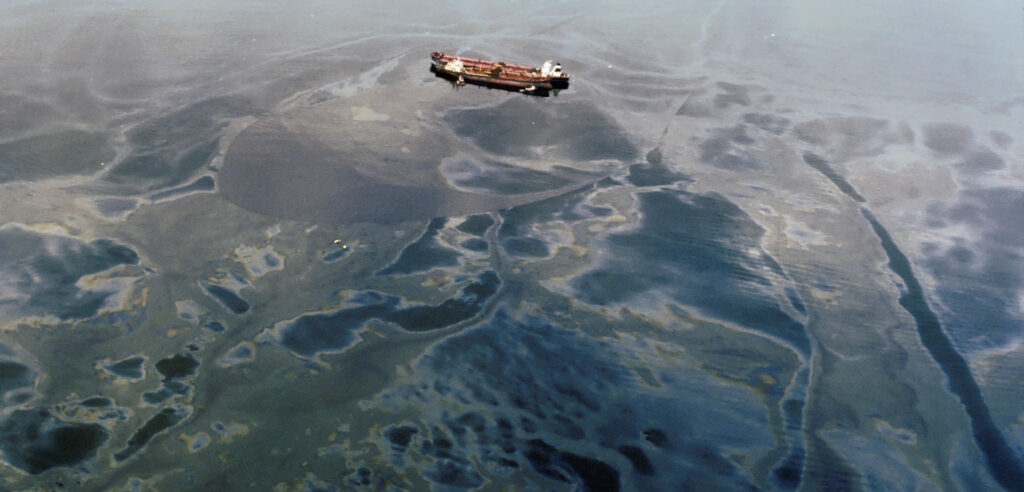
The Oil Pollution Act of 1990 (OPA 90) requires strict liability for oil spills in the United States. The law was enacted after the 1989 Exxon Valdez spill in Alaska. It holds vessel owners responsible for spills caused by their vessels, regardless of fault, and establishes the Oil Spill Liability Trust Fund to pay for […]
Vessel types used during site assessment
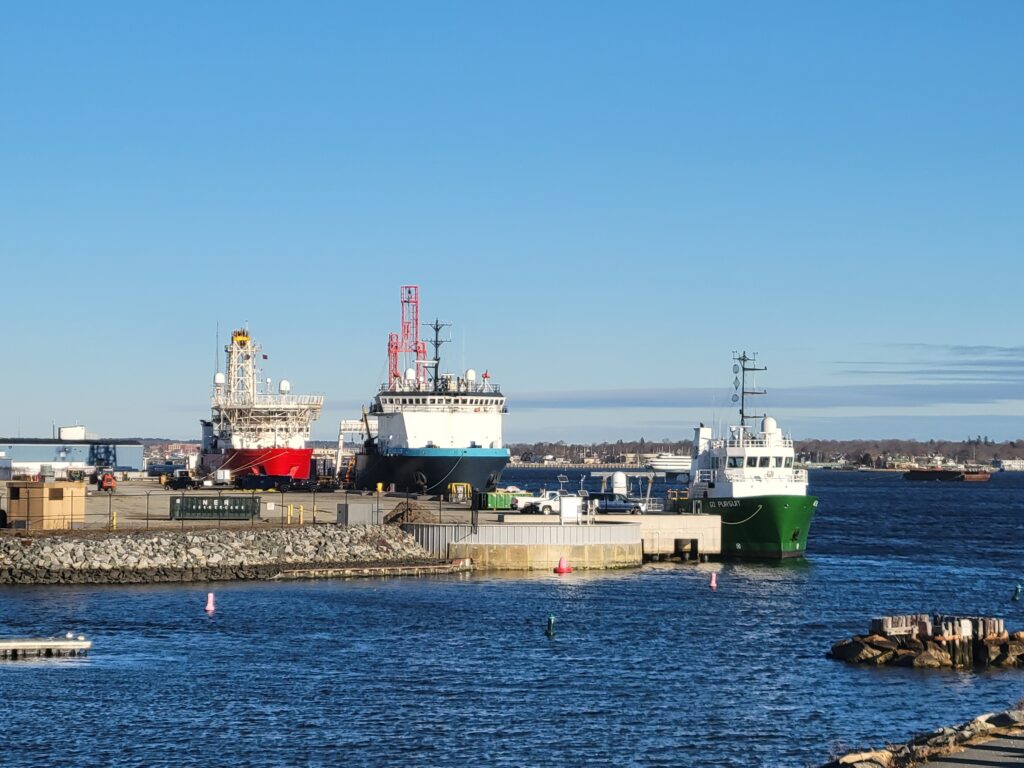
During the site assessment phase of an offshore wind farm development, a variety of vessels are used to gather data on the potential site and conduct the various surveys and studies that are required. These vessels include: The choice of vessel depends on the specific survey or study that needs to be conducted, the equipment […]
What is Site Assessment?
During the site assessment phase of an offshore wind farm development, experts gather data to determine if the site is suitable. They conduct: Experts analyze the data to understand site characteristics, wind resource, environmental impact, and grid feasibility. They use this information to plan the wind farm and obtain necessary permits and approvals for construction.
Offshore Wind Development – 5 Phases
The process of building an offshore wind farm involves several stages, including site assessment, design and engineering, financing, construction, and operation and maintenance. Overall, building offshore wind farms is a complex and costly process that requires significant investment, expertise, and coordination between various stakeholders, such as investors, engineers, construction companies, turbine manufacturers, and government agencies.