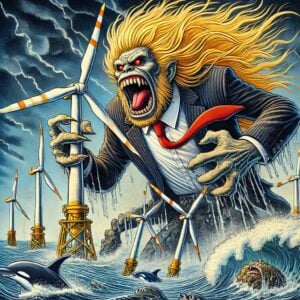
The Outer Continental Shelf (OCS) of the United States is a vast expanse of ocean floor that contains an abundance of natural resources, including oil and gas reserves, minerals, and renewable energy sources. The OCS has played a significant role in the economic development of the United States, but concerns about the potential environmental impact of exploration and extraction have been raised. To manage the OCS, the federal government established the Outer Continental Shelf Lands Act (OCSLA), which sets guidelines for leasing and managing the OCS and requires compliance with environmental regulations. Regional advisory committees, made up of industry, environmental organizations, and coastal community representatives, provide advice on OCS-related matters. The OCS has potential as a source of renewable energy, especially wind energy, and the Department of the Interior has already issued leases for offshore wind development off the coast of Massachusetts, Rhode Island, and Virginia. The OCS remains a valuable asset with significant economic potential, but proper management is critical to minimize environmental impact and ensure sustainable energy development.
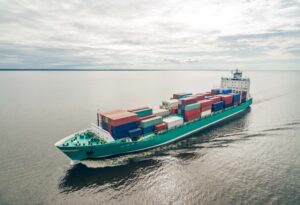
New Section 301 Vessel Fees: What You Need to Know About Implementation
The U.S. Trade Representative has established significant new fees affecting