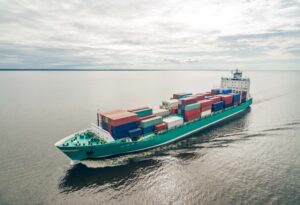

The U.S. Trade Representative has established significant new fees affecting vessels arriving at U.S. ports, set to take effect on October 14, 2025. Here’s what vessel operators, owners, and shipping professionals need to understand about these changes.
Overview
On April 17, 2025, the USTR published a Federal Register Notice under Section 301 of the Trade Act of 1974, introducing new fees targeting vessels with Chinese connections and foreign-built vehicle carriers. These fees apply to vessels arriving from foreign ports or the high seas that are subject to entry requirements.
Important note: If a vessel meets multiple criteria, only the highest priority fee applies—you won’t be charged multiple times.
The Three Fee Categories
Annex I: Chinese-Owned or Operated Vessels
This is the most straightforward category. If your vessel is owned or operated by a Chinese entity, you’ll face fees based on net tonnage.
Key Details:
- Fee structure: $50 per net ton starting October 14, 2025 (with incremental increases over three years)
- Determination: Ownership verified through vessel Registry (REG); operations verified through Certificate of Financial Responsibility (COFR)
- No exemptions: This annex offers no relief options
Annex II: Chinese-Built Vessels
This category targets vessels constructed in China that don’t already fall under Annex I.
Key Details:
- Fee structure: Starting October 14, 2025, you’ll pay either $18 per net ton OR $120 per container discharged—whichever is higher
- Annual cap: Fees are capped at five times per fiscal year
- Container calculation: Based on containers unladen as transmitted to ACE (Automated Commercial Environment)
Exemptions available:
- U.S. government cargo
- U.S.-owned or U.S.-flagged vessels in certain maritime programs
- Empty vessels or vessels in ballast
- Vessels below capacity thresholds (4,000 TEUs, 55,000 DWT, or 80,000 bulk capacity)
Good news: You may be able to suspend this fee by ordering a U.S.-built vessel.
Annex III: Foreign Vehicle Carriers
All foreign-built vehicle carriers (type 325) and roll-on/roll-off vessels (type 333) face this fee.
Key Details:
- Fee structure: $14 per net ton starting October 14, 2025
- No exemptions: However, suspension is possible if you order a U.S.-built vessel
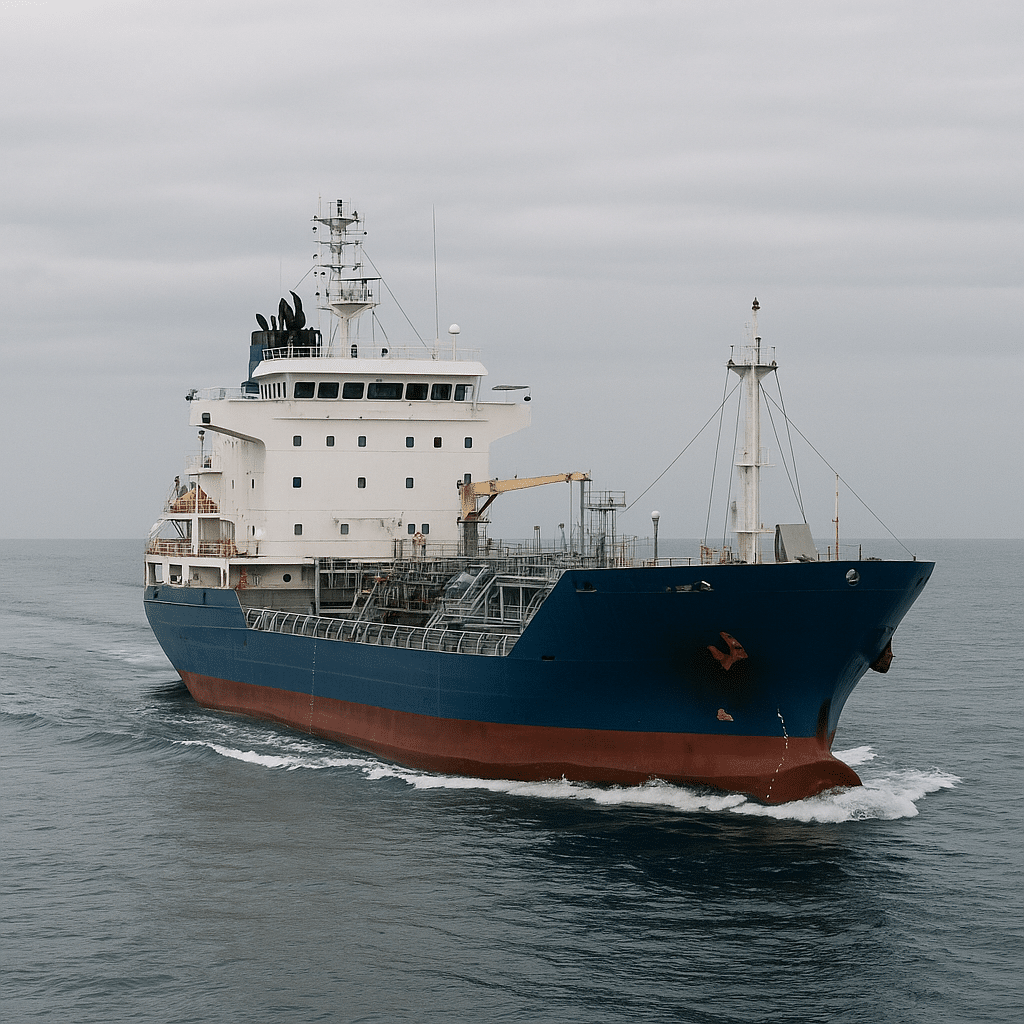
Universal Exemption
LNG tankers (vessel type 132) are exempt from all Section 301 fees.
Payment Process: Act Early
Here’s where timing becomes critical. Fees must be paid directly through Treasury’s Pay.gov website using the Section 301 Fee payment form.
Payment deadline: Due at formal entrance at your first U.S. port of arrival from foreign waters.
Strong recommendation: Pay before arrival. Vessels without proof of payment will experience:
- Denied or delayed cargo processing
- Denied or delayed passenger processing operations
- Withheld vessel clearance
Nobody wants their vessel stuck at port, so advance payment is the smart move.
What You Need to Have Ready
Depending on your vessel’s category, you’ll need:
- Vessel Registry (REG) for ownership and build information
- Certificate of Financial Responsibility (COFR) for operator verification
- International Tonnage Certificate (ITC) for net tonnage calculations
- ACE electronic cargo declarations for container counts (if applicable)
Ports may request additional documentation like Bridge Letters or Continuous Synopsis Records (CSR).
Bottom Line
These new fees represent a significant shift in U.S. maritime policy, with fees escalating over the next three years. The complexity of determining which fees apply, calculating the correct amounts, and ensuring timely payment can be challenging—especially when dealing with multiple vessel classifications and documentation requirements.
Offshore Compliance Solutions can work with vessel owners and agents in determining what Section 301 fees are due and getting them paid for a smooth entry process. Our expertise in maritime compliance ensures you avoid costly delays and clearance issues at U.S. ports.
For questions about implementation, contact us at ops@customsbro.com
Mark your calendars: October 14, 2025, is when these fees take effect. Start preparing now to ensure smooth operations at U.S. ports.