Important Clarification: US Flag Vessels Only
First and foremost: This enforcement change only affects US-flagged vessels. Foreign-flagged vessels operating in US waters are not subject to these MMC requirements for their NOIs. This is a crucial distinction that provides some operational flexibility for the offshore industry.
Understanding NOIs and the New Enforcement
A Non-Operating Individual (NOI) is specialized personnel who works aboard vessels but isn’t part of the traditional crew. These are your technical specialists – like survey technicians, ROV operators, and maintenance personnel – who support specific operations rather than handle traditional vessel operations.
As of January 1, 2025, the USCG has resumed enforcing Merchant Mariner Credential (MMC) requirements for NOIs on US-flagged vessels after a four-year suspension. This creates a significant competitive consideration between US and foreign-flagged vessels in the offshore market.
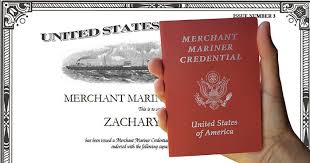
“Foreign Techs Need US Credentials Now”: USCG Rule Change Creates Crisis for US Flag Vessels
Strategic Implications
This enforcement difference between US and foreign vessels creates several strategic considerations:
- Foreign-flagged vessels may have easier access to global technical talent
- US vessel operators may need to consider flag state implications for new builds
- Project planning may need to account for vessel flag when technical specialists are required
- Contract negotiations may need to consider vessel flag requirements
The Technical Personnel Challenge for US Vessels
For US-flagged vessel operators, this creates a complex situation. The following roles now require MMCs when working on US vessels:
- Survey technicians
- ROV operators
- Positioning specialists
- Walk-to-Work system operators
- Equipment specialists
- Third-party maintenance technicians
Operational Impact
US vessel operators face unique challenges:
- Limited pool of MMC-holding technical specialists
- TWIC and MMC requirements for foreign specialists
- 25% cap on non-permanent resident aliens in unlicensed positions
- Potential competitive disadvantage against foreign-flagged vessels
- Project scheduling complexities
Solutions and Strategies
- For US-Flagged Vessel Operators:
- Begin MMC application process for key personnel
- Develop relationships with MMC-qualified specialists
- Consider crew training programs for technical roles
- Review project bidding strategies
- For Project Planners:
- Evaluate vessel flag requirements during project planning
- Consider mixed fleet strategies
- Build contingency plans for technical personnel availability
The Bottom Line
The reality is clear – if you’re operating US-flagged vessels, you need to adapt to these requirements. However, understanding that these requirements don’t apply to foreign vessels opens up strategic opportunities and considerations for your fleet and project planning.
Take Action
Whether you’re:
- Managing a US-flagged vessel fleet
- Planning offshore projects
- Handling technical personnel deployment
- Considering vessel acquisition or flag state decisions
You need a clear strategy to address these changes.
We specialize in helping operators navigate these complex regulatory waters. Our team can help you:
- Develop compliant manning strategies for US vessels
- Create efficient mixed-fleet operations plans
- Navigate MMC applications for your technical personnel
- Optimize vessel deployment based on flag state requirements
Don’t let these new requirements impact your operations. Contact our marine compliance team now for a straightforward assessment of your situation.
✉️ Email: ops@customsbro.com