The United States Customs Service has a rich and extensive history that spans more than two centuries. The agency, which is now known as the US Customs and Border Protection (CBP), has been responsible for regulating international trade and ensuring the safety and security of US borders since its inception. In this article, we will provide a comprehensive overview of the history of the US Customs Service, from its origin to the present day.
Origin of the US Customs Service
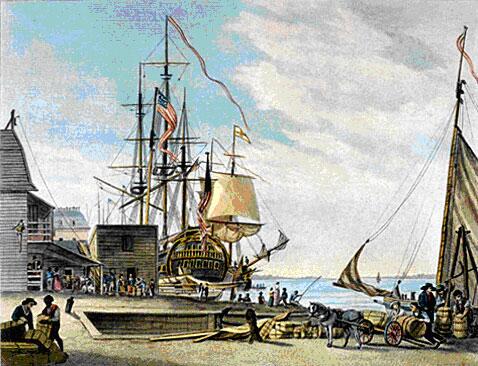
The US Customs Service was officially established on July 31, 1789, when President George Washington signed the Tariff Act. The Act was designed to regulate trade and protect American industries from foreign competition by imposing tariffs on imported goods. At the time, the US Customs Service was a small agency that consisted of just 10 collectors and 50 revenue cutters.
Expansion of the US Customs Service
As the United States grew and expanded its trade relationships with other countries, the role of the US Customs Service became increasingly important. In the 19th century, the agency was responsible for enforcing a wide range of laws, including laws relating to immigration, narcotics, and trademark infringement.
During the Civil War, the US Customs Service played a vital role in supporting the Union Army by intercepting shipments of Confederate goods and enforcing a blockade of Confederate ports. In the years that followed, the agency continued to expand its role, taking on responsibilities related to public health, environmental protection, and intellectual property rights.
Modernization of the US Customs Service
In the latter half of the 20th century, the US Customs Service underwent a period of modernization and expansion. In the 1970s, the agency began to use computer technology to track imports and exports, which helped to improve the efficiency of the customs clearance process.
In the 1980s and 1990s, the US Customs Service played a major role in the war on drugs by intercepting shipments of illegal narcotics and working closely with other law enforcement agencies to disrupt drug trafficking networks. The agency also played a key role in responding to the September 11th terrorist attacks by working to secure US borders and prevent the entry of terrorists and weapons of mass destruction.
Formation of the US Customs and Border Protection
In 2003, the US Customs Service was merged with several other federal agencies to form the US Customs and Border Protection (CBP). The new agency was created in response to the growing threat of terrorism and the need for a more coordinated approach to border security.
Today, the CBP is responsible for a wide range of activities, including regulating international trade, enforcing immigration and customs laws, and protecting US borders from threats such as terrorism and drug trafficking. The agency is also responsible for facilitating travel and commerce, working closely with other federal agencies, and collaborating with international partners to promote global security and economic prosperity.
In conclusion, the US Customs Service has played a vital role in shaping the history of the United States and has evolved over time to meet the changing needs of the country. Today, the US Customs and Border Protection continues to play a critical role in safeguarding the nation’s borders and promoting economic growth and security.