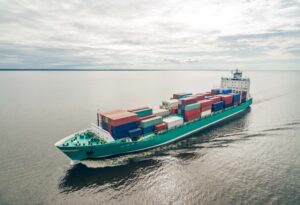

The U.S. maritime industry is facing a tidal wave of frustration as a massive fee hike for Agricultural Quarantine and Inspection (AQI) services comes crashing down. The Animal and Plant Health Inspection Service (APHIS), an agency within the U.S. Department of Agriculture, has implemented a staggering increase to the commercial vessel fee, impacting all vessels over 100 net tons arriving at U.S. ports. The fee has skyrocketed to $2,903.73 per arrival, a jaw-dropping 290% increase from its previous level.
Small Businesses Feel the Squeeze
This drastic increase is hitting small vessel owners and operators particularly hard, especially those working on the Great Lakes and St. Lawrence Seaway, where lower-value bulk cargo and tight margins are the norm. Trade associations representing these operators are sounding the alarm, arguing that the fee increase is unjustified, lacks transparency, and disregards the operational differences between vessel types and sizes.
APHIS Justification Doesn’t Float
APHIS attempts to justify the increase by pointing to rising costs and staff shortages. However, critics argue that the agency hasn’t convincingly demonstrated efforts to trim its own expenses or improve efficiency. They question the rationale behind a nearly 300% revenue increase when cargo volume has only risen by 42%. It feels like a classic case of government bureaucracy passing the buck to hardworking businesses.
Leveling the Playing Field: A Call for Fairness
A major point of contention is the fee’s blanket application to all vessels over 100 net tons, regardless of size or cargo. This means a small vessel doing a grocery run to an container ship packed with electronics from Asia. Critics argue that this is fundamentally unfair and that fees should be based on the actual workload and time required for inspection. Smaller vessels, especially those carrying bulk cargo, require significantly less inspection time than the massive container ships APHIS uses to justify the increase. This discrepancy has led to accusations that smaller operators are being unfairly forced to subsidize the larger ones, essentially leveling the playing field…in the wrong direction.
Economic Shockwaves on the Horizon
Stakeholders are warning that this fee increase will send shockwaves through the maritime industry, leading to higher transportation costs, reduced competitiveness, and potential modal shifts. Imagine a scenario where goods are diverted from ships to trucks and trains, clogging already strained infrastructure and adding to environmental concerns.
We Need a System that Works!
Adding insult to injury, the lack of adequate notice before implementing this drastic change has left businesses reeling, struggling to adjust budgets and revise service contracts. It’s a scenario that smacks of disregard for the realities of running a business in a volatile economic climate.
Charting a Course Toward a Fairer System
The maritime industry isn’t asking for a free pass. They recognize the importance of AQI services in protecting U.S. agriculture. What they’re demanding is a fair and sensible system that reflects the operational realities of different vessel types and sizes. Several alternative fee structures have been proposed:
Tiered Fee Structure: Establish a base rate for all vessels with additional fees based on factors like vessel size, cargo type, and actual inspection time. This would ensure a more equitable distribution of costs.
Fee Based on Container Quantity: Link the fee to the number of containers imported, which would more accurately reflect the workload involved in inspections.
Hey, are you a vessel owner or operator feeling the pain of this ridiculous fee hike? We’re in the same boat! It feels like we’re being punished for APHIS’s inefficiencies, like they’re saying, “Hey, US businesses, you’re doing too well. Time to make things a little harder.”