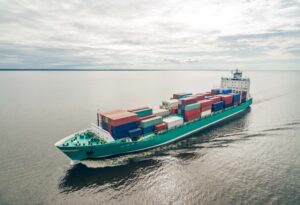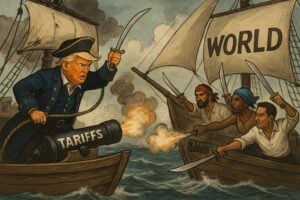
US-flagged vessels, pivotal to the nation’s maritime economy and defense, are subject to specific regulations when undergoing repairs or modifications abroad. Upon returning to the United States, these vessels may incur customs duties under Section 1466 of the Tariff Act of 1930. This article delves into the intricacies of these taxes and their implications.
Overview of Section 1466: Customs Duties on Repairs
Section 1466 of the Tariff Act mandates that US-flagged vessels returning from foreign ports are required to pay a duty of 50% on the cost of repairs, equipment, and materials obtained abroad. This law was initially enacted to support the US shipbuilding and repair industry, ensuring a level playing field between domestic and foreign service providers.
Key Provisions of the Law
- Scope of Repairs Subject to Duty:
- Repairs, alterations, and modifications carried out in foreign shipyards.
- Equipment, materials, and supplies purchased abroad and used in the repairs.
- Exemptions and Exclusions:
- Casualty Repairs: Emergency repairs necessary to maintain vessel safety or seaworthiness are partially or fully exempt, provided proper documentation is submitted.
- US-Origin Equipment: Components manufactured in the US and exported for repairs are exempt from the duty when re-imported.
- Modifications vs. Repairs: Certain alterations that enhance vessel capabilities (e.g., retrofitting with green technology) may qualify as non-dutiable modifications, depending on CBP rulings.
- Filing and Documentation:
- Vessel owners must file Customs Form 226 within a specified timeframe upon the vessel’s return.
- Detailed invoices, proof of payment, and evidence supporting exemptions (such as casualty reports) must accompany the filing.
Financial Implications for Vessel Owners
For vessel owners, the 50% duty can significantly impact operating costs, particularly for major overhauls or extensive repairs. As a result, operators often weigh the potential cost savings of foreign repairs against the expected customs duties. To mitigate financial burdens, many owners:
- Perform routine maintenance domestically.
- Seek rulings from US Customs and Border Protection (CBP) on the dutiable status of proposed work.
- Maintain detailed records to claim applicable exemptions.
Challenges and Controversies
- Global Competitiveness: The high cost of duties can make US-flagged vessels less competitive in the global shipping market, as foreign-flagged vessels are not subject to these restrictions.
- Ambiguity in Classifications: The distinction between “repairs” and “modifications” often creates disputes, requiring vessel owners to seek CBP rulings on a case-by-case basis.
- Economic Impact on US Shipyards: While the law protects domestic shipyards, critics argue that it limits flexibility for vessel owners who might otherwise pursue cost-effective solutions abroad.
Conclusion
To help vessel owners navigate these challenges, OCS offers comprehensive support for repairs and modifications. We can also source and oversee overseas repair or modification projects, ensuring high-quality work at competitive prices, while assisting with CBP rulings. We also provide expert guidance and support for filing the CF 226 declaration, ensuring compliance with all regulatory requirements while minimizing costs.
If you’re a vessel owner or agent seeking assistance, contact OCS today to learn how we can help streamline your operations and reduce your duty liabilities.