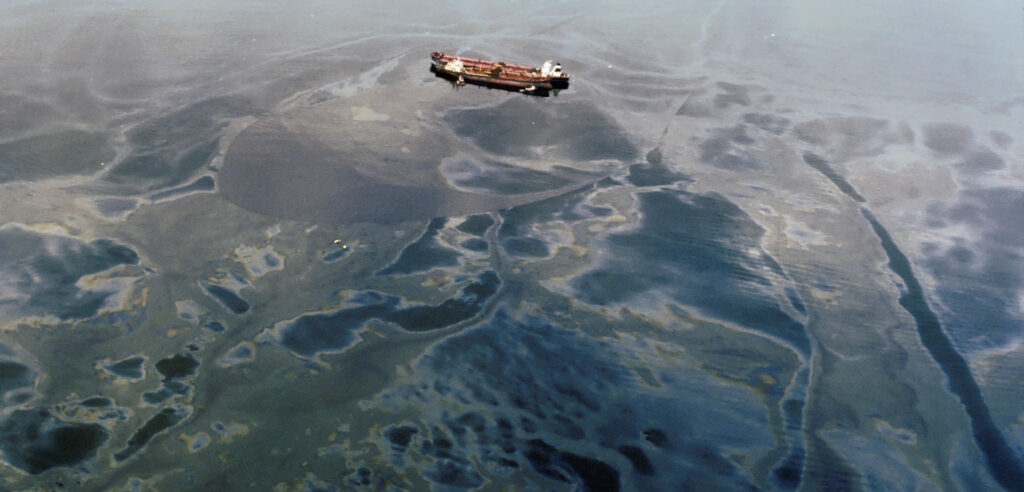
The Oil Pollution Act of 1990 (OPA 90) requires strict liability for oil spills in the United States. The law was enacted after the 1989 Exxon Valdez spill in Alaska. It holds vessel owners responsible for spills caused by their vessels, regardless of fault, and establishes the Oil Spill Liability Trust Fund to pay for clean-up and compensation. Vessel owners must have insurance, response plans, and regular drills. The U.S. Coast Guard (USCG) enforces OPA 90 through its Marine Safety program by conducting inspections, investigations, and imposing fines, penalties, or charges for violations. The USCG also collaborates with other agencies and industry partners to respond to spills and protect the environment and public health. OPA 90 regulations apply to all vessels operating in U.S. waters, including foreign vessels, so foreign operators must be aware of the requirements.
Three Steps to check if your vessel is compliant with OPA 90 Regulations.
- Does your vessel have a COFR?
- Do you have contracts with Oil Spill Response Organizations and Salvage and Marine Firefighting Contractors.
- Have you submitted your Vessel Response Plan to the USCG.