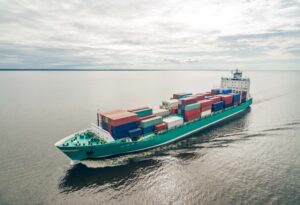
Customs business is a broad term that encompasses any activity related to the import, export, or transportation of goods across international borders. This includes customs clearance, tariff classification, valuation, and compliance with various regulations and laws related to international trade. Importing goods requires compliance with a variety of customs regulations, which can vary depending on the type of goods being imported, the countries involved, and the specific regulations of the importing country.
To ensure compliance with these regulations and reduce the risk of errors or delays in the customs clearance process, many importers choose to work with customs brokers. A customs broker is a licensed professional who can provide expert guidance on import regulations and procedures, as well as handle many of the administrative tasks associated with importing goods, such as preparing and submitting customs documentation. By working with a customs broker, importers can minimize the risk of penalties or fines for non-compliance and ensure that goods are delivered on time and at the expected cost.
When importing goods, it’s important to determine whether a piece of equipment or material needs to be imported. In general, a piece of equipment or material needs to be imported when it is being brought into a country from another country for use or sale. This can include everything from raw materials and finished goods to machinery and equipment used in production processes.
The US Customs Regulations apply to offshore vessels working on the Outer Continental Shelf (OCS) in a manner similar to vessels engaged in other international trade. However, there are some specific rules and considerations that apply to OCS operations. Vessels operating on the OCS are subject to US customs laws and regulations, including requirements for reporting vessel arrivals and departures, and complying with customs and immigration procedures.
One key difference for vessels operating on the OCS is that they are typically considered to be in “foreign trade” even if they are owned by a US company or individual. This is because the OCS is outside the customs territory of the United States, and goods and materials transported to and from the OCS are considered to be imported or exported. As a result, vessels operating on the OCS must comply with the same customs regulations as vessels engaged in foreign trade, such as filing electronic manifests and customs declarations, paying duties and taxes, and complying with import and export restrictions.
In addition to these general customs requirements, there are also some specific regulations that apply to vessels operating on the OCS. Certain equipment and materials used in OCS operations may be subject to additional regulations related to safety, environmental protection, or national security. Vessels engaged in the exploration or extraction of natural resources may need to comply with special customs procedures related to the import or export of these resources.
In summary, customs business refers to any activity related to the import, export, or transportation of goods across international borders. Compliance with customs regulations is crucial to avoid penalties and fines for non-compliance. Customs brokers can provide expert guidance and minimize the risk of errors or delays in the customs clearance process. When it comes to offshore vessels working on the OCS, they are subject to the same customs regulations as vessels engaged in foreign trade, with some specific rules and considerations that apply to OCS operations.